
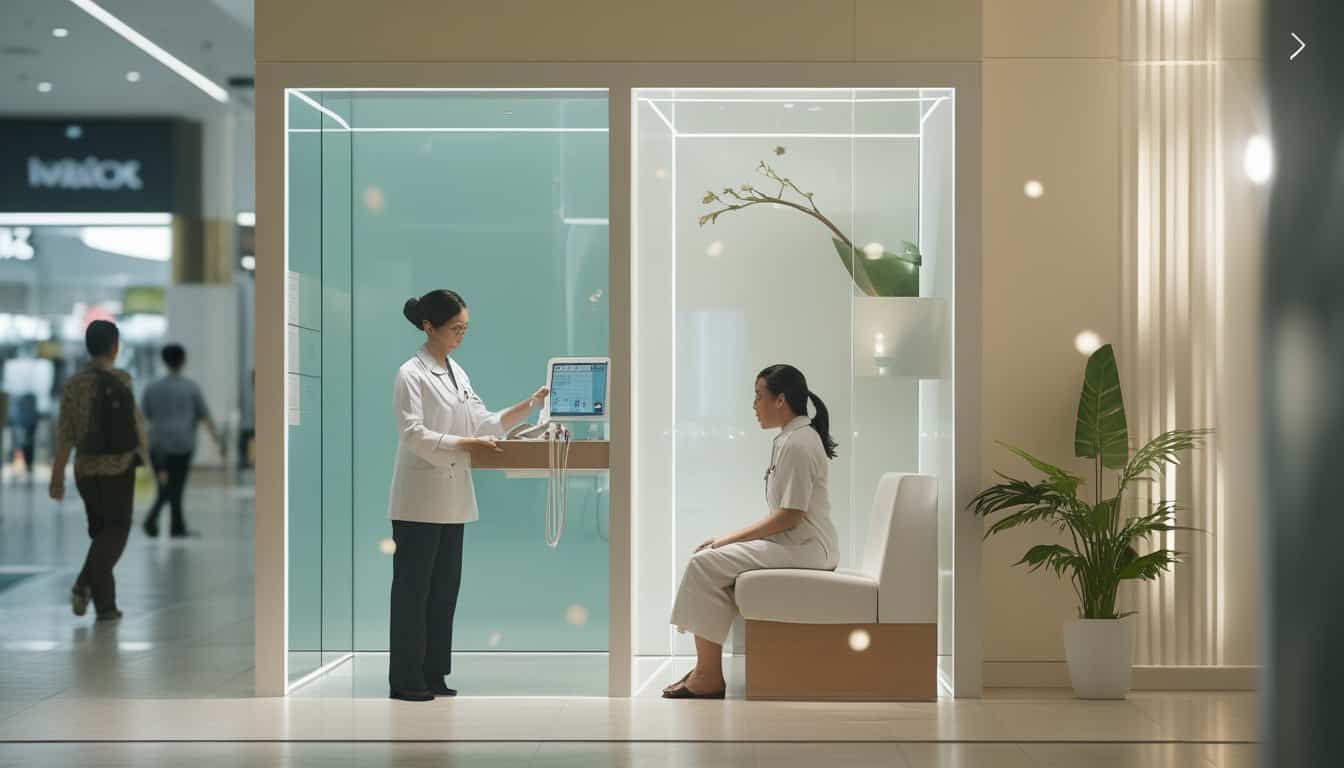
What a Medical Booth Really Is, and Why It Matters
A medical booth is not just a neat little box with a chair and a logo. It is a compact healthcare space designed to deliver services efficiently, whether it is for screening, consultation, vaccination, health promotion, or occupational checks. In comparison with traditional clinic rooms, a medical booth is built to be mobile, space-saving, and quick to deploy, which makes it especially useful in shopping malls, offices, factories, schools, and event venues. Related source: health expo booth.
That flexibility is the main attraction. While a full clinic offers a broader clinical setup, a medical booth focuses on speed, accessibility, and convenience. Think of it as the healthcare equivalent of a pop-up stall, except instead of snacks, it serves early detection and basic care. In a fast-moving environment, that can make all the difference.
Medical Booth vs Traditional Clinic Space
When compared with a traditional clinic, a medical booth is built around efficiency rather than breadth. A clinic usually has multiple rooms, fixed equipment, and a more comprehensive patient flow. A medical booth, on the other hand, is designed for specific services and limited-footprint operations. It is often the better choice when the goal is to bring healthcare closer to people without asking them to travel far.
The trade-off is clear. Clinics can handle more complex consultations and wider service offerings, while medical booths excel at quick touchpoints such as blood pressure checks, glucose screenings, basic health assessments, and health education. For many organisations, the comparison is not about which one is better overall, but which one is better for the job at hand. Usually, the booth wins on convenience; the clinic wins on depth.
Common Uses of a Medical Booth
A medical booth can be set up for many purposes, and that is where it becomes rather handy. In corporate settings, it may support annual health screenings or employee wellness campaigns. In retail spaces or public events, it can be used to create awareness around preventive health checks. In factories and industrial sites, it may help with occupational health monitoring and basic first-response support.
Compared with more permanent healthcare spaces, a medical booth is especially useful when the service needs to follow people rather than wait for people to come. This mobility makes it a practical choice for outreach programmes, seasonal campaigns, and temporary health initiatives. It is not trying to replace a hospital, of course. It is simply showing up where people already are, which is often half the battle.
Design and Setup: What Makes a Good Medical Booth
A well-designed medical booth balances function, privacy, and comfort. The layout must allow staff to work efficiently while giving users enough space to feel at ease. Depending on the intended use, the booth may include a desk, seating, partitions, storage, lighting, ventilation, electrical access, and basic clinical equipment. The overall design should support smooth movement and clear separation between public and private areas.
Compared with ordinary exhibition booths, a medical booth needs stronger attention to hygiene and workflow. Surfaces should be easy to clean, entry and exit should be straightforward, and the interior should not feel cramped or intimidating. If the booth looks like it was assembled in a hurry, users will notice. If it feels calm, organised, and professional, they will trust it more quickly. In healthcare, first impressions are not just cosmetic; they shape confidence. Related source: medical booth design.
Benefits of Choosing a Medical Booth
The biggest benefit of a medical booth is accessibility. It brings healthcare services closer to the community, reducing the time and effort needed for people to get screened or advised. That can be especially helpful for busy workers, students, and individuals who might otherwise delay checking their health because the clinic is too far away, the queue is too long, or the day is simply too hectic.
Another advantage is scalability. Compared with setting up a full temporary clinic, a medical booth can often be deployed more quickly and adjusted to suit different environments. It also supports preventive care by encouraging people to engage with health services earlier. In comparison with more formal healthcare settings, the booth may feel less intimidating, which can increase participation. Sometimes, the friendlier-looking option gets more people through the door, and that is a win worth having.
Choosing the Right Medical Booth for the Job
Not every medical booth is suitable for every purpose, so the choice should depend on the service model. A simple screening booth may need only a compact footprint and basic equipment, while a more advanced booth may require enhanced privacy, climate control, and storage. Factors such as location, duration of use, user volume, and compliance requirements should guide the setup.
In comparison with a one-size-fits-all approach, a tailored medical booth performs better because it matches the actual workflow. If the booth is meant for short health checks, simplicity may be enough. If it is expected to handle repeated use over long periods, durability and comfort matter more. The smartest choice is usually the one that makes the process smooth for both staff and visitors, without turning the booth into a cramped little puzzle.
